THE HUMAN BEHIND THE MACHINE
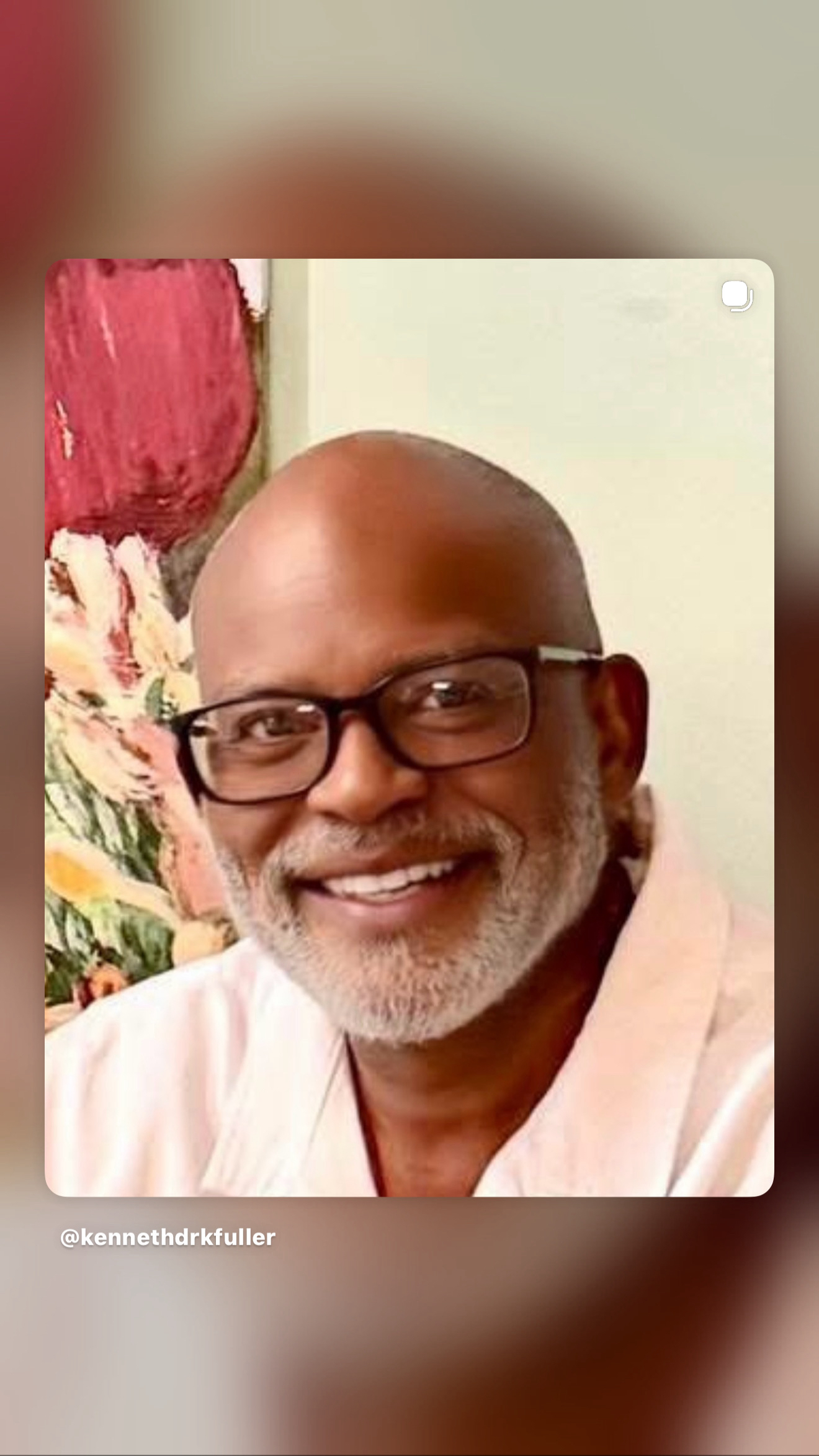

By Kenneth Fuller
Executive Producer • Songwriter • Composer • Vocal Architect • The Voice Behind Kenny J
There has been a great deal of conversation lately about artificial intelligence in music. Some celebrate it. Others reject it entirely. I respect that people have different opinions.
This isn’t an attempt to convince anyone to embrace AI.
It’s simply my opportunity to explain how I create.
The first thing I’d like people to know is this:

Kenny J is not an AI artist. Kenny J is me.
Every lead vocal you hear is my voice.
Every harmony is my voice.
Every vocal arrangement is my own.
Every phrase, every breath, every emotional interpretation comes from years of experience as a singer, songwriter, arranger, producer, and performer.
The heart behind the music has never been artificial. It has always been human.
Artificial intelligence is not new to music. Its roots reach back to the mid-1950s, when the field of AI was formally established and researchers such as Lejaren Hiller and Leonard Isaacson pioneered computer-assisted music composition with the groundbreaking Illiac Suite (1956). Today's AI tools represent the latest chapter in a creative dialogue between musicians and technology that has been evolving for nearly seventy years.
My Workflow
People often imagine AI pressing a button and producing an entire song.
That is not how I work.
Like many composers, I hear music long before it exists.
I hear melodies.
I hear chord progressions.
I hear harmonies.
I hear orchestration.
I hear an emotional landscape waiting to become a recording.
From there, I begin building.
Sometimes I play the keyboard.
Sometimes I program rhythms.
Sometimes I develop instrumentation using modern production tools that include artificial intelligence.
Then I record my own vocals.
I shape every harmony, every arrangement, every nuance until the music sounds the way I first imagined it.
AI does not replace my creativity.
It expands the palette of tools available to express it.
Just as synthesizers, drum machines, MIDI sequencing, digital audio workstations, samplers, and countless other technologies changed music over the past several decades, AI represents another step in that continuing evolution. The artist still makes the artistic decisions.
Why This Matters to Me
Many people know that I live with Post-Polio Syndrome.
Some of my physical limitations are not of my choosing.
Yet I’ve never believed limitations should dictate the size of one’s dreams.
Throughout my life I’ve learned that when one path becomes difficult, innovation can open another.
Technology has allowed me to continue creating music at a level that might otherwise have been impossible.
It hasn’t replaced my musicianship.
It has extended my ability to share it.
Innovation Has Always Been Met with Skepticism
Every generation experiences moments when new ideas challenge familiar ways of thinking.
The printing press.
The automobile.
The airplane.
Recorded music.
Electric guitars.
Synthesizers.
Digital recording.
The internet.
Each innovation was questioned.
Some were criticized.
Many eventually became ordinary.
I don’t compare myself to history’s great innovators, but I do admire their willingness to ask, “What if?”
Artists have always explored new ways to express timeless human emotions.
That spirit of curiosity has always moved creativity forward.
AI Didn’t Make Me an Artist
AI didn’t teach me how to make music. A lifetime in music taught me how to use AI.
The microphone didn’t make me a singer.
The keyboard didn’t make me a composer.
The computer didn’t make me a producer.
And artificial intelligence didn’t make me an artist.
They are simply the latest instruments I’ve learned to play.
Respecting Different Perspectives
If AI isn’t for you, I respect that.
If you prefer music created entirely through traditional methods, I understand.
Art has always been personal.
Taste has always been subjective.
My hope is simply that we allow artists the freedom to create with the tools that best express their vision.
For me, what matters most has never changed.
To tell stories.
To move people.
To comfort.
To inspire.
To leave something meaningful behind.
The technology may evolve.
The human spirit behind the music remains the same.
As civilization has progressed—from the ox cart to the horse, from the horse to the automobile, from the automobile to the airplane, from the airplane to rockets, and now into cyberspace, artificial intelligence, and emerging digital realities—change has remained one constant throughout history.
Whether we welcome it or resist it, change continues.
What matters is how we choose to use it.
May we continue to treat one another with kindness, extend grace where opinions differ, and remember that thoughtful conversation is always more productive than condemnation.
We don’t all have to agree.
But perhaps we can all agree to disagree—agreeably.
— Kenneth Fuller
About the Author

Kenneth Fuller is the founder of SpiritSoul Media, executive producer, songwriter, composer, arranger, and the performing voice behind the recording artist Kenny J. Drawing on decades of experience in music, broadcasting, and technology, he combines traditional musicianship with modern production techniques to create soulful music that is unmistakably human. Living with Post-Polio Syndrome has shaped—not limited—his creative journey, reinforcing his belief that innovation should serve expression, accessibility, and the enduring power of authentic storytelling.


Comments